Showing posts with label diet. Show all posts

Friday, September 24, 2021

The Faces of My FH

 FH has many faces and many stories. I have homozygous FH (HoFH) which means that I inherited it from both my parents. As a matter of fact, both genes that came from them are the same exact gene, although my parents are not related, in any way, by blood.

My grandparents all came from huge families (think 10+ children). My parents have so many cousins they have not met all of them. This also means I have a lot of people on both sides of my family who have FH. And every one of them has a different story. A different story of their diagnosis, of their treatment, or lack thereof, of what the disease ultimately leads to. There are no two stories alike, and there are no two people that chose the same path in managing this disease (or not).

I see a lot of people with FH who are asking good questions about what to do when they are diagnosed; people who display all sorts of emotions, from sheer panic and depression to a nonchalance that I envy, in some ways, although I know that is not the proper course for a healthy and good-quality life when you have FH.

FH has been in my family’s life for generations – no one is shocked when they are diagnosed anymore. We’re all pretty much aware of what it is and what it can do to us: many of our aunts and uncles have suffered heart attacks, strokes, angioplasties, complications from diabetes and fat liver disease. Although we know all these things all too well, not all of us choose to receive treatment. More in the notes I drew below about my immediate family and their individual, unique stories.

My grandfather

Current age: deceased at age 65

Diagnosis age: as a young adult, after several of his older relatives and brothers and sisters were formally diagnosed with FH. At that time, they just spoke of “familial hypercholesterolemia” and did not dissociate between the HeFH and HoFH types. We believe he had heterozygous FH (HeFH).

Cholesterol levels: no one remembers for sure, but my parents think the total cholesterol stayed between 300-400 mg/dl.

Treatment: reduced fat diet; no drug treatment was available for cholesterol in Romania before 1990 when he died.

Complications: first stroke at 48, major stroke at 50 which left him paralyzed in one half of his body. He died at 65 after a massive stroke after having lived bed-ridden since he was 50 with the effects of the stroke and complications from diabetes. He also had coronary artery disease and high blood pressure.

My aunt

Current age: 71

Diagnosis age: as a young adult. At that time, they just spoke of “familial hypercholesterolemia” and did not dissociate between the HeFH and HoFH types. We believe she has HeFH.

Cholesterol levels: currently, the total cholesterol is between 200-300 mg/dl.

Treatment: no special diet, no treatment, by choice.

Complications: angioplasty (stent placement) in her thigh and upper-leg arteries in her 50’s; massive small-brain stroke at 67; high blood pressure, a-fibrillation, tachycardia.

My father

Current age: 69

Diagnosis age: in childhood, due to the fact that his father already knew about his diagnosis, my father was a sickly kid, and his mother (my grandmother) was a registered nurse who tested him for everything. At that time, they just spoke of “familial hypercholesterolemia” and did not dissociate between the HeFH and HoFH types. We believe he has HeFH.

Cholesterol levels: currently, his total cholesterol is 326 mg/dl.

Treatment: no special diet, no treatment, by choice.

Complications: several mini-strokes starting in his 40’s. High blood pressure in his 40’s. Diagnosed with coronary artery disease, peripheral atherosclerosis, peripheral neuropathy in his 50’s. His condition is further complicated by diabetes.

My mother

Current age: 68

Diagnosis age: 63. My mom’s cholesterol levels were in the upper 200’s all the way into her 50’s. She maintained that her cholesterol is not genetic, like my dad’s and it’s caused simply by bad eating habits. When she was 63, I had a genetic test that confirmed that I had Homozygous FH (HoFH). This was the clear indication that she, too, must also have FH. She suspects she inherited it from her father who died when she was 7. She had no further relationships with his surviving family, so the knowledge on her side of the family is very limited.

Cholesterol levels: currently, her total cholesterol is 313 mg/dl.

Treatment: no special diet, no treatment, by choice.

Complications: aortic valve stenosis, coronary artery disease, stroke at the age of 67. The cause for the stroke was unclear as she was also undergoing chemo treatment for lung cancer at the time. The doctor could not determine the cause of the stroke for sure – whether it was vascular or a complication of the chemo. She suspected it could be either one.  

Myself

Current age: 46

Diagnosis age: 8. My pediatrician felt an enlarged liver when I complained of pain in my upper abdomen. She sent me to get a complete liver and lipid profile, also knowing my family’s history of FH at the time. My mother found out the cholesterol level, as a hospital biochemist. At that time, they just spoke of “familial hypercholesterolemia” and did not dissociate between the HeFH and HoFH types.

At age 40, following a genetic test, I was diagnosed with HoFH.

Cholesterol levels: currently, my LDL is 107 mg/dl (the lowest it’s ever been). Before I started drug therapy at the age of 23, my LDL was 475 mg/dl. My total cholesterol was 526 mg/dl.

Treatment: no fat, vegan + fish diet, Lipitor, Zetia, Praluent, Nexletol.

Complications: diagnosed with tachycardia and arrythmia in my early 20’s; coronary and carotid artery disease at age 30; aortic valve stenosis at age 36. Open-heart surgery at age 40 to replace the aortic valve, ascending aorta, repair the aortic arch and repair and bypass four main coronary arteries.  

My sister

Current age: 43

Diagnosis age: 38. Although she knew her cholesterol was elevated, my sister did not get officially diagnosed and treated until this age. This was after my open-heart surgery which rang a bell of alarm for everyone in the family, I think.

Cholesterol levels: currently, her LDL is 108 mg/dl (total cholesterol is 201 mg/dl).

Treatment: low fat, white meat and fish diet, intense jogging (she is the runner in our family as she has been spared heart disease so far), Lipitor.  

Complications: no complications so far.   

My nephew

Current age: 10

Diagnosis age: 7.  

Cholesterol levels: last test showed an LDL of 170 mg/dl.

Treatment: all-inclusive diet, with less fried foods and lower fat, white meat.   

Complications: no complications so far.   

Whatever your story may be, what I believe firmly is this: it all starts with awareness: knowledge is power. You may choose not to do anything at all, but at least you know about the train that’ll be coming rather than one day be caught completely by surprise, way too late, when there might not be anything left to do or know anymore.


To honor the FH Awareness Day, these are the faces and stories of my FH family. What are yours? Do you know?!

Happy health, you all!


Saturday, August 21, 2021

Good Numbers and a Slight Change in Drugs

I ended up getting double-checked for cholesterol this summer because in addition to my routine check from the cardiologist I also met with a lipidologist. I have been watching my cholesterol since I was 8 years old and let me tell you: I am yet to see a doctor who trusts someone else’s blood tests. They might rely on a CT scan result, or an MRI, but when it comes to blood – they will poke you again! However, in all fairness, the lipidologist was keener on checking the Apolipoprotein B and the Lipoprotein (a) than the whole lipid panel.

Here are the results:


June 2021 - cholesterol results

The bottom line is that the LDL number is the at the lowest level it’s ever been at 107 mg/dl. I wish I could say why, but not totally sure. My cardiologist thinks it’s the fact that we added Nexletol that made just a little bit more of a difference (in addition to Lipitor, Zetia and Praluent). But we added it in June of last year and it’s been higher then this in the meantime, although lower than before I was on it.

I did make two changes in my diet this year, too, which could have helped with the numbers as well: I eat a lot more nuts and seeds and I added more grains to my diet for about a month before those tests were taken. I also added more dark chocolate to my diet, which is a good antioxidant, as well (I don’t particularly like chocolate in general, but I have found that when it’s coupled with nuts, dark chocolate is actually bearable). Another bummer for me is that I cannot seem to get the HDL number up at all (despite the changes in the diet). It is actually going down even more. I am told that cholesterol medications bring all the cholesterol fractions down, and since I am on so many of them … there you have it.

I do complain about muscle tenderness (not so much as soreness because it hurts really bad only when I squeeze my muscles), and sometimes joint pain, both of which I have had for years now, but because I function just fine, I can stand up with no help nor pain, and am as independent as a healthy person would be at 46, we have not touched the drugs. We both want to see as much benefit as possible in the cholesterol numbers for as long as I can possibly tolerate the drugs. I know other individuals who make different choices here, but that is my choice. At least for now. And that’s just the thing: everyone should make the choice that is right for them. I know this sounds like a truism, but it bears repeating.

I was tentatively diagnosed with peripheral neuropathy this summer (EMG test to follow in a week or so for confirmation) which could be caused by muscle damage from statins. As a result, I added 200 mg of CoQ10 daily to my drugs to see if this will make a difference in the tenderness. But it might be that whatever damage the muscles have had so far might be irreversible, too – that, I don’t know for sure and no one seems to know. For now, I opt to be on the drugs and hoping for the best. The liver and kidney tests have almost always been normal.

The joint pain could be from my chronic inflammation (I try to keep this to a minimum through my diet), or it could be from Nexletol (which raises uric acid and causes gout eventually). As a result, we added the test to measure the level of uric acid to our quarterly “routine” tests. So, now, every quarter, I get a lipid panel, a liver panel, and  a uric acid. About once a year, the cardiologist or the PCP doctor also runs a complete metabolic panel to check for other issues, like anemia (which I have), or kidney issues. My uric acid has been creeping up on Nexletol, but it’s still within the normal range and I have not had any sign of a gout attack. We did not change the amount of Nexletol and I am still taking a full dose (140mg/day).


Tuesday, December 26, 2017

The Tricky Balance between Trusting Your Doctor and Listening to Your Body

After 34 years or so of trying to find answers to my disease and its complications, you would think I am done searching. But, alas, that is not the case.

My newest dilemmas (yes, there are several):

  • My liver enzymes are on the edge: if I add any medication to my current cocktail, they shoot up. Is this something to worry and watch?! (it is for me, at least)
  • I need to exercise more, but I have symptoms that prevent me from doing much: shortness of breath, chest tightness, dizziness. Are these from the heart? Or is the source of this discomfort elsewhere? Can it be removed and how?
  • My blood pressure is still odd (systolic too high, diastolic too low). Should it be medicated?
  • My total cholesterol is 184mg/dl, the lowest it's ever been, but my LDL is still high, at 145. Should we try some other medication? Or should we say this is 'enough' for me, since my 'natural' numbers are in the 500's and stay on the regimen and the diet I am on now ?!
So, with these questions in mind, I proceeded to see my cardiologist and my new lipid specialist. I got some answers, but as it is usually the case with me, I don't agree with some of them. Or at least, I want to learn more before I blindly follow their advice.

As a reminder, this blog offers no advice to anyone. It is just a representation of my struggles, my fears, and the choices I make alone. It should never be read or interpreted otherwise.

The Liver Levels

Following up from the last entry (http://livingwithfh.blogspot.com/2017/12/a-big-move-new-start-managing-same.html), I have had my liver levels redone, because at the time I was writing that entry they were elevated. What had gone up before were my transaminases (which, I learned in the meantime, are a different measurement of liver health than your bilirubin – more in a sec). My ALT was 102 (normal up to 54 U/L) and my AST is 54 (normal up to 41 U/L). At that time, my cardiologist believed that they were elevated because on top of my usual cocktail I had taken about two weeks of antibiotics for a UTI. After a week from stopping the antibiotics and repeating the tests, the ALT is 59 (still a bit high) and the AST is normal, at 34.

As a reminder, my usual cocktail includes Lipitor, Zetia, Praluent, and Warfarin (amongst other things), all of which are known to affect the liver.

The cardiologist is not concerned at all that the medicine I am taking is affecting the liver, although she agrees that it seems that if we add anything else to it (like the antibiotic) the levels rise. However, she does not consider these values too elevated.

When I personally see numbers jump around past the accepted range (especially double, like the ALT), it makes me wonder whether something is wrong. I have not found out where to find the real answer, really. For right now, I just know that my liver is sensitive to adding more 'poison' to it: after reading a whole bunch of things about what really makes the transaminases go up, I am more careful with and aware about the drugs or foods that do affect the liver (the warning is usually printed on the labels) that I consider taking. So, I know if I take Tylenol, it could affect me; if I drink a glass of alcohol, it could also affect me, or the liver, rather.

This is yet another thing to watch, I believe, because in this case the liver damage is irreversible and potentially fatal. So, onward we go, checking the liver enzymes every 3-4 months, in line with when we check the cholesterol values. This is a decision I made despite my cardiologist saying that these could be checked once every year now. I just would rather not go off my life-long schedule of every 3-4 months which gives me reassurance that I know how my liver is doing at all times, given the tendency of these numbers to spike. As you know from reading here: I like to know more rather than less.

My Heart Discomfort and the Need to Exercise More

I had a little bit of a spat with my cardiologist (who is new to me, having just moved to this part of the country). We have been over my family history; she knows about my HoFH (which she stubbornly calls 'hyperlipidemia' – a term I am not crazy about because it is not specific enough.) She also knows about my heart surgery and its complex nature. She has not, however, seen any heart images yet, nor has she asked me what my diet was. She declared that my 'heart is just great' and suggested for a therapy going forward that I 'should look at my diet and exercise'. I was a bit floored, and I felt like I was not being heard.

This is one of the peeves I have with just about every other doctor that sees me: their failure to understand that just diet and exercise alone will not make a difference in my case. Plus, she has no true understanding of what my heart really is doing: yes, she has seen the transcripts from my previous echos and cath, but she has not done one recently herself.

She had also not asked me if I have any limitations in exercising – a thing which I brought up myself. She was puzzled as to why. I then shared that I am short of breath, and that I don't last very long as I walk on an incline, I have the dizzy spells, and tinnitus quite frequently. Should those be looked into?! I also asked her if the Aortic Insufficiency and the weird blood pressure could be things we're missing about my heart. I wished she should have found these, and she should have suggested that we should look more into them on her own, but I am happy she eventually listened to my list of concerns. By now, I am used to helping my doctors along when I see that they gloss over my case as just another 'lazy patient who needs to cut McDonald's out of her diet' (which I am far from, as you know).

I hate arguing with doctors. I really do. I do expect them, though, to step out of the text book and look at the patient as a unique human being, with unique characteristics and responses to medicine, as well as with a unique build which might be more or less responsive to whatever the 'book' tells them to prescribe.

After pushing for answers she agreed that she should hook me up to a holter monitor for 48 hours and also do a cardio-pulmonary stress test, just to understand more about my heart function during a normal day as well as during exercise. So, I hope we get a better picture of what this 'great heart' is really up to, so we can hopefully start on the right foot.

In the meantime, I agreed to push myself a little more each day, in my walks: go a little further, walk a little faster, and see if my heart takes it (although if history serves right, I tried this many times before, and there is always this big wall I hit). We moved down from The Rockies into the hills of North Carolina because my heart does feel better here. So, maybe, just maybe, my insufficiency, caused by who knows what, is less prohibitive of my movements here. I do know that the heart muscle is happiest and healthiest when it moves. So, I'll try more, if I can.

The 'Weird' Blood Pressure

My new cardiologist suggested kind of nonchalantly and very unconvincingly that I 'should be on an Ace-inhibitor, like Lisinopril'. I asked her why, and she said it would lower my blood pressure, but it 'is indicated that people with heart disease should be on one, just as a safe measure.' The trouble with this is that my blood pressure is not consistently high. It has higher spikes, and my diastolic value is always too low. Every time I took something to lower it, it made me dizzier than ever and I felt like fainting. So, we decided to continue to monitor the numbers and see what the consistent trend is: the high systolic (rare) or the normal systolic and the low diastolic (more often than not)?! So, just like before, we are just watching the blood pressure with no remedy. She thinks, as the cardiologist before her, that my Aortic Insufficiency is to blame for my odd blood pressure, but there is nothing to be done for that.

My LDL Level. Can It Be Lowered Even More?!

As I mentioned in the last post, this cardiologist will not be the one managing my lipids and their treatment. For that, she referred me to an endocrinologist who specializes in lipids.

Incidentally, I had met with this same endocrinologist almost 20 years ago when I first came to this country. He happens to be renowned for his work with lipids, so my PCP back then sent me to him as a 'know all' specialist who will figure our my cholesterol problem.

Back then, I had not been positively diagnosed with HoFH and I cannot remember what he guessed on my disease: he did agree I had FH, but I cannot remember if he picked a type. 20 years ago, his first move for my treatment was to cut my Lipitor dose way down and to prescribe Niacin (and later Niaspan) to me in addition to Lipitor. He is probably the biggest believer in Niacin out of any doctor I have ever seen. Niacin is, besides awful to take because of severe side effects, ineffective to me: my numbers do not change on Niacin.

Now, 20 years later, guess what?! He recommends cutting the Lipitor in half, and he once again prescribes adding Niacin to my drug regimen. I politely told him we have been down that path and that didn't work so well for me. So, I told him it's not even worth talking about it, I will just not do it. He said that the numbers are not so much of importance, but that the effects Niacin has on the artery wall, which are proven to be significant, are much more important. This is the second doctor that says this to me, which puzzles me so: why do we have numbers and why do we strive for a target if they are not important?!

Using the same logic, we could say that an LDL of 145 mg/dl is indeed good enough and we should stay where we are. Especially since at the last carotid ultrasound it was seen that there was no more additional damage done within the past year to my carotids. So, the artery wall is fine, why not stop here?!

He mentioned I could now be on a more advanced form of Niacin, called Enduracin which has less side effects. He asked me to consider this. I am planning to get educated about Enduracin, but … I am not sure what to think. So far, it looks like Enduracin is just a fancy name for Niacin: I am not coming up with anything different for it than what I have known about Niacin.

In addition to Niacin and cutting the Lipitor in half, he also wants to add Juxtapid (Lomitapide) (https://en.wikipedia.org/wiki/Lomitapide) to my 'cocktail'. This is an orphan drug approved only for HoFH and it is very potent. What it does is block fat from coming out of the liver. From what I have read, it is very 'poisonous' to the liver, potentially causing fatty liver disease, and high transaminases levels – and again, we come full circle: I must watch those, as well, so anything with known side effects of liver damage scares me.

He agreed that this is an incredibly potent medication which could damage the liver, the reason for which he will prescribe a low dose (5 mg) and he will cut my Lipitor dose from 80 to 40 mg. I told him I must read and document myself more about this drug, before he can start the proceedings with my health insurance to get me approved for it. By all means, if you are reading here and have some input on this drug, a personal experience with it, what the results were, etc, please do share.

He was not too concerned with the liver enzymes already being too high for me. This is his opinion on those:

  1. Transaminases are not 'too high' unless they are consistently triple the upper acceptable value, which mine have not been (yet).
    And
  2. He believes that elevated transaminases (ALT and AST) are not a good indicator of liver damage. That 'unless the bilirubin is elevated, then there is no liver damage.' And my bilirubin has been normal historically.
Again, deep down in my heart, I believe there are numbers for a reason and when they are not within guidelines they cause reason for concern. I am not used to just ignore numbers. It's just not how I operate, no matter how many specialists I am exposed to. I am always skeptical of just ignoring the levels for any test!

If I start taking Juxtapid, to prevent the liver from overloading with fat and to prevent stomach upset and other GI issues, I will not be able to eat any fats at all. My diet must be 100% fat free. I am not sure that this is totally humanly possible for anyone. For instance, the plant based spread I use sparingly as a butter substitute, or nuts, or the fish I eat a couple of times a week, or the little bit of olive oil in my cooking must be completely cut out. At that point, I think eating out would be completely prohibited, too, as we have no control over what is in those foods.

He also said that even before taking Juxtapid, adding psyllium (or Metamucil) to my diet will also remove any fat or cholesterol I am eating now, even in small quantities and it will lower the numbers by 10-15%. The percentage is small, but I will take it. Because my liver is so critical to me (if you have not gathered that by now!), I am willing to try things that are known not to damage it. I have way too many problems already to add liver failure to them, I think.

I also asked about whether it would be important to the raise my HDL which, for me, has always been low. It is 33 mg/dl now. He admitted that he does not know how to improve that. He said beyond a glass of wine and nuts daily, there is nothing medical that can improve the HDL.

Right now, I am in a 'research and wait phase': I am researching Juxtapid and Enduracin, and I am waiting the results from my cardiac tests (the holter monitor and the stress test). I am nervous about removing half of the dose of Lipitor from my regimen, because Lipitor has helped so much and I have gotten where I can tolerate the side effects from it now. Removing it, playing with the dose and introducing a drug that we're not sure it would work, or that it would be safe in the long run makes me very nervous.

And then, there is the Niacin. I really think that's an old school remedy, with little success for FH people, but … should I give it another go hoping that the drug has been improved over the years?! And that's just the thing: is it a drug or more of a supplement which is very little for a disease like FH which seems to be affected only by powerful drugs, not supplements and diets? With everything I am taking together, adding anything or taking anything away changes the balance not only in treating the cholesterol, but also in the way I feel and in the way I can (or cannot) manage all the side effects. There is also the Warfarin to keep in mind which is affected by anything new, and which is worse: it is all processed in the liver.

And then there is the nagging question: Are my numbers really the lowest they can ever be and we should just not bother the magical mix of drugs and diet we have found to achieve them?! Or is there such a thing as trying more/ harder drugs to get those numbers evern lower?! I wish it could be a clear-cut answer. But all of us who have navigated this ship before know that it's mostly a guessing game.

Happy Holidays to all, and I wish you all good health and easy decisions in the New Year!


Monday, December 19, 2016

Most Days, I Am Fine.

After a lifetime of being on a low fat/ no fat diet, and now, after two full years of being a pretty religious vegan pescetarian (not by choice, but by intolerance necessity), I must say that I am mostly used to it. I don't crave meat anymore, even bacon, and I always tell myself that there is no need to eat “other things” since I am always full and fulfilled when I do eat what I can.

I refer to it as “not being able to color with all the crayons in the box, but still able to color, and thus still having the fun”. And I pretty much believe that. I should have probably been a vegan long before I turned 39, but I didn't have the need to until meat and animal products made me literally sick.

I am very used to my diet now, to the point that when a restaurant sneaks something in my food, I can tell immediately and I do feel sick, not happy about the inadvertent breaking of the rules.
Like I said, I don't feel restricted in any way and I don't wish “what if.” To me, those would be a waste of time and energy. I am pretty much settled in my new reality – which has been always changing over the years. Until today. And you knew this was coming, right?!

I have loved sushi, all my life. I didn't grow up eating it (we didn't have such diversity in communist, and post-communist Romania), but once I had it in The States (around 2002 or so), it was love at first bite. I have eaten it till last year in December, when my aortic valve was getting so bad that it needed surgery. I was afraid to eat any raw fish, because of all the bacteria that could be introduced into the body and damage the valve with it.

After the valve was repaired, I cannot eat it now for more than one reason: raw meat contamination is just one of them, but also, I have not found conclusive information on what the content of Vitamin K is in the seaweed wrapper, and that can throw off my INR, since I would be eating it just occasionally. Another reason for not eating it is because  I cannot eat soy (intolerant, as well), and there is a lot of soy contamination with any sushi, for sure.

So, today, our office ordered sushi for one of our office work lunches, and not only that but we had our own sushi chef on site, too. Every roll I saw leaving our kitchen was amazing – huge portions, too, and all you can eat. I thought I was going to faint. Today, I can say that it was the first time, in … ever since I can remember, that I wish my diet would be different and that I could eat sushi once again.

I ate my home-made and home brought whole grain pasta with chickpea “meat balls” and home-made tomato sauce. Yummy, too, but … not sushi. Some sacrifices we have to make, for our health.

I wish your journeys through this are easy and successful.
Much health to all!

Sunday, July 17, 2016

My Current Drug Regimen, Diet and Exercise

Last update: June 2026

This entry will be updated every time there is a change.

IMPORTANT I do not endorse any of the medicine listed below. This is simply my personal list of what has been prescribed to me for my condition. Every patient is different. Talk with your doctor to find out what works best for you. This is not a diagnosis entry, nor a generic list of treatment options. Also, I do not endorse any of the brands of food I am mentioning below. 

As many of you know, for people with FH, exercise and diet do little to nothing to help with the numbers.  But a lot of people ask me these things, so I thought this link would be helpful for folks who stop by for the first time,  wondering what kind of regimen of food + drugs + activity I am on, for my conditions. 

For thoses who have not read my blog previously and are not familiar with my condition, I was diagnosed with Homozygous Familial Hypercholesterolemia in 1983 when I was 8 years old; the progression of this disease is gradual, and over time I developed atherosclerosis and heart disease in my late teens, followed by severe CVD (cardio-vascular disease) starting in my 20s. 

At the age of 40 I had a complex open-heart surgery that included a quadruple endarterectomy and bypass (one of the four vessels was the LAD, the widowmaker which was 99% blocked), an aortic arch aneurysm repair, ascending aorta replacement graft, and an aortic valve replacement with an On-X mechanical valve. 

Sometime in my 40's I had a small chronic infarct in the bilateral cerebellum (basically a stroke in my small brain). This was visible on a brain MRI when I was 50. 

This list changes over time. The date at the top indicates the latest update, when a change occurred or an update was needed on this article. 

NOTE: You will notice that I am currently on multiple drugs for lowering cholesterol. This is common for people with Homozygous FH or people who have a hard time lowering their LDL cholesterol with just one medicine. As it was explained to me, oftentimes, a combination of multiple drugs that have different mechanisms is more helpful than just taking one drug. There is no magic to finding out what combination works for each patient. It's a trial-and-error process, with lots of testing in-between, until you find what is the best combination for you, that makes the most impact on your numbers. 

The regimen I follow is not just to treat FH or heart disease, but to also treat other diseases I have been diagnosed with (like GERD, inflammatory disease, or Vitamin D deficiency, for instance). 

Although the amount of drugs I take is impressive to some, I am on only a fraction of the medicine and regimen prescribed to me by the doctors I have seen. As a personal choice, I try to choose the minimal amount of drugs that make the most impact on the numbers for me, with the least amount of side effects and affects to my quality of life. 

Current diet:

  • Mostly vegan, plant based, with occasional soy and wild fish
  • I eat a diet low in or free of fat, with almost no animal fat (except what comes from fish)
  • I get my 'good fats' from nuts, seeds, cold-water, wild fish, and some oils (canola, olive)
  • I eat fried food only 1-2 times a month, and only when I eat out and there are no other options. I never fry at home. I mostly bake in the oven with no oil (that's how I make my fries), or sauté in a pan with a teaspoon of Earth Balance spread or a couple of drops of olive or canola oil 
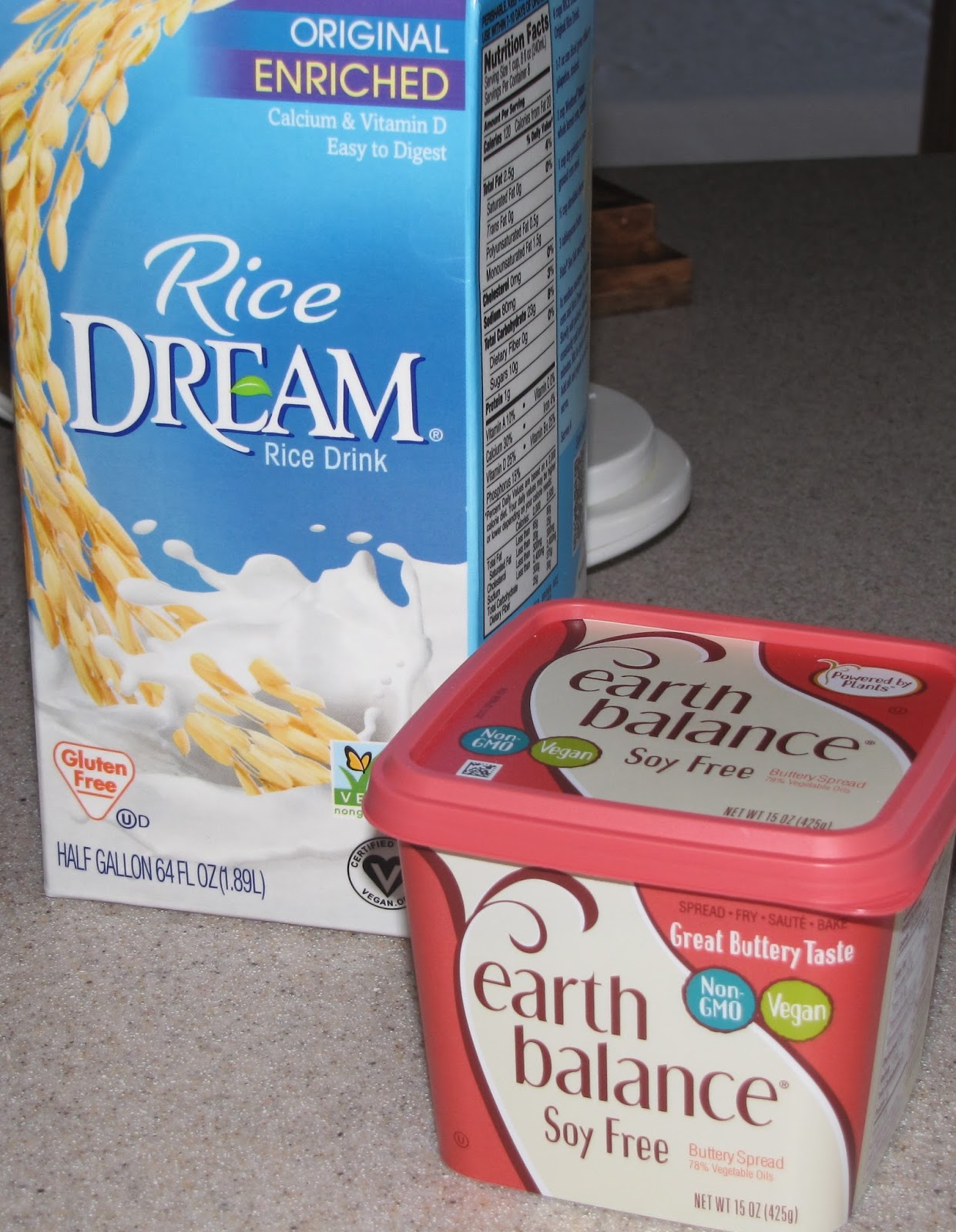
  • I use Earth Balance soy free spread and some soy-free, plant-based cream cheeses and cheese alternatives
  • I use rice milk to make mashed potatoes, for baking, or with cereal
  • I use vegan mayo sporadically for sandwiches (rare), to make my salad dressings, or as a binder in cooking (a 16 oz jar of mayo would last me for 4-6 months)
  • My diet is high (about 2/3) in veggies, multi grains, and beans
  • About 1/3 of my diet is made of carbs in the form of multi grains, potatoes, rice, corn
  • I eat about 4-5 servings of fish a week
  • I use sugar in the raw for my coffee (about a half a teaspoon per one cup of coffee), and no other sweeteners, desserts, candy, or sweet drinks
  • The only sugary dessert I eat frequently (sometimes daily) are dark chocolate covered nuts or naturally dried fruits
  • I eat a low amount of very green, leafy greens sporadically (2-3 times a week). Greens make managing my INR tricky because I cannot always eat the same amount of greens every day. Watching my INR values is paramount as I take Warfarin (an anticoagulant) for the health of my artificial aortic valve. Find a definition for INR, here: https://www.urmc.rochester.edu/encyclopedia/content.aspx?contenttypeid=167&contentid=international_normalized_ratio
  • I drink about 2-3 servings of real alcohol (wine or beer) a week
  • I usually drink non-alcoholic wine or beer 3-4 times a week
  • I drink 1-2 cups of decaf coffee every day, only in the morning
  • I drink a gallon or more of water a day
Current drug regimen (includes drugs for FH, heart health and other conditions):
  • For lowering cholesterol: 
    • Lipitor - 80 mg/ day 
    • Zetia - 10 mg/ day
    • Repatha injection - 140 ml/ 2 weeks 
    • Evkeeza - monthly infusion 
  • For blood pressure and heart health:
    • Atenolol - 50 mg/ twice a day (for heart arrhythmia and tachycardia) 
    • Amlodipine - 2.5 mg/ twice a day (for lowering blood pressure)
    • Lasix (Furosemide) - 80 mg/ a day (diuretic, for heart failure - for lowering blood pressure and decreasing fluid retention)
    • Isosorbide - 30 mg/ day (a vasodilator, for improving symptoms of angina)
    • Aspirin - 81 mg/ day (for heart health)
  • Other medicines and supplements:
    • Coumadin (or Warfarin) (a blood thinner, mandatory for patients with a mechanical valve) - the strength varies, according to INR values (INR range is 1.5-2.5)
    • CoQ10 - 200 mg/ day (for muscle health, usually prescribed with a Statin drug)
    • Vitamin D - 5000 IU/ day (I have dangerously low vitamin D levels)
    • Prilosec OTC (for GERD)
    • Allegra OTC (for inflammation)
Medicines for FH that I have taken in the past: 
  • Other Statin medications: Crestor, Zoocor, Vytorin, Prevastatin - maximum allowed doses for each (discontinued because of either poor efficacy or severe side effects)
  • Niacin and Niaspan (discontinued because of poor efficacy in lowering LDL numbers and for severe side effects)
  • Colestipol (poor if any efficacy)
  • Cholestyramine (poor if any efficacy)
  • Welchol (poor if any efficacy)
  • Psyllium husk (Metamucil) - 1 teaspoon/day (supplement)
  • Bempedoic acid (Nexletol) - 180 mg/day (discontinued because of elevated liver transaminases levels)
  • Praluent - 150 ml/ 2 weeks (discontinued because of insurance restrictions) 

Medicines for heart disease that I have taken in the past. They were all discontinued because of severe side effects: 

  • Metoprolol (for arrhythmia and tachycardia) 
  • Ramipril (to lower blood pressure)
  • Losartan - 50 mg/day (to lower blood pressure)
  • Spironolactone - 25 mg/day (to lower blood pressure) 

Exercise and other activities:

Because I have had heart disease for many years, and because of diastolic insufficiency (heart failure) I have been limited in what I can do; I have run out of breath and caused myself angina with every fast walk, over the years. 

I have never been overweight. I am 5 ft (1.5 m) tall and the heaviest I have ever been was 123 lbs. I am currently around 120 lbs (54 kg). I have always kept active, but I have been limited in doing extensive exercises for a long period of time. On average, I go on 1-2 mile walks or I hikes 1-2 times a week. In the summer or very cold weather, I walk less than this. I also do yoga for core strength once  a week and I use an indoor exercise bike occasionally. 

Thanks so much for stopping by and reading about my life with Homozygous FH and heart disease. I hope some of the information I share is helpful to at least one person. 

Much health! 

Monday, June 6, 2016

Figuring Out How Much Is Too Much

I can't believe it's summer already! We hit mid 90's around here this weekend and that, for sure, is summer. Given that my surgery was in February and the most of my heavy recovery time has been through the spring (not that now I am fully out of the woods!), I feel like I have skipped a season this year.

So, it took my body a bit by surprise when my husband and I decided to go camping for one night this weekend. Am I ready? Will I be tired? Will the altitude bother me? How will I sleep in the camper, since my sleeping “scenario” is so involved at home? All these questions and more bugged me, but we did it anyway.

Altitude didn't seem to bother me, as I was around the camp and as we took a walk around the campgrounds. My blood pressure was still the usual crazy self, with a low diastolic, but my pulse was normal and the systolic in the 130's. Yes, I travel with a blood pressure monitor now, to stay in touch with what's going on “inside” and I do keep a journal with the values I find.

This was at the half point or so of our campground walkabout. It was a warm day, and before surgery, by this time, my face would have been completely burgundy red. It never got that way, even by the end of the "hike". As you can tell, the trail was a paved road, so not very strenuous, but you can see the incline. 
The backdrop, like everything around where I live, is stunning. 

  So, it all seemed like my “now, normal” self during the first day we were there. At night, though, just laying down, I could hear my heart beating strong and fast and somewhat arrhythmical, too – faster and slower, then fast again … My chest didn't bother me while walking, but when we hit a steep incline, I felt like I was not taking enough air in. Nothing hurt, but I just needed more/ deeper breaths. It felt very different than the angina I had for years before the surgery.

We didn't do much along the lines of physical activity, on this overnight trip, other than the 20 minute or so very slow walk around the campgrounds. We mostly rested, read, painted, made a fire, played a board game. We took it very slow.

Then, when we came back home, I was out in the 90+F heat for maybe 30 minutes, just helping my husband park our RV and trying to help with unloading. I got extremely tired doing that. I came inside and left the unloading to him, as I washed a couple of easy dishes. Then, I took a shower, and honestly after all that, I felt like after coming home from the surgery – extremely, incredibly, unbelievably tired. I felt like something knocked the wind out of me. Very weak, and like I was going to faint. It was not quite light headed-ness, but it was very marked weakness and a drained feeling. I had to – had to sit down and just do nothing for a couple of hours. I did some laptop work and I ate a salad, but not anything else. My blood pressure was a little high, at this point, too (141 over 53).

No idea why such tiredness after this one night escapade. Maybe just being displaced and not all the way comfortable in the camper took its toll? Or maybe the changes in altitude did have an effect on my heart? Or maybe the 30 minute heat did it? Or maybe all of them. No idea. Just taking one day at a time and finding out where the new boundaries are.

Camping was amazing! So good to be in nature again, and to breathe fresh air, to look at endless mountains with peaks still heavy with snow and to smell sap on the pine trees all around and the smoke of a real fire. It was good to at least try to be “normal” again, and do really normal things.

I am not sure what kind of strength I have at this point (almost 4 months), so I'll keep trying to do things in small bites, just to find that out. I still have range of motion and weight lifting limitations, and I still get tired very easily, so I do take things easily, compared to what I did before the surgery. But I try to push limits just a little bit some days, to see how far I can go into normalcy again. My body always reminds me, though, quite often, that pushing it is OK as long as I back it up by plenty of rest.

 
 This is a "bonus" picture of what I eat these days. And unlike before, when I didn't stick to my diet when I camped or traveled, I do stick to it now, because of my food allergies/ intolerance, which make(s) me feel miserable: I still try to stay very low fat and vegan, with the exception of some wild fish. Here is my camping dinner: corn, vegan baked beans "dog" with organic, low fat potato chips and tomato salad. 
The benefit for my cholesterol (although with FH, diet has little impact on it) is that it's a lot easier to stay low fat/ no fat on vegan foods than it is on animal products. 

Monday, March 21, 2016

A Light One, for a Change

I haven't posted one of these in a while. Open heart surgery gets you distracted like that!

I wanted to share a 100% vegan and so surprisingly yummy dinner combo I made up tonight. Everything is soy free, as well. 

I buy these vegan Marsala burgers at Trader Joe's which are super good, and not too bad for you (0.5 sat fat and 0 trans fat and cholesterol). So I warmed one of those up, then I made a side of cheesy grits with just half a teaspoon of vegan "butter" and half of a teaspoon of vegan cheese, salt and pepper, and then my mom made what I call Romanian coleslaw - it's chopped cabbage and just balsamic vinegar, salt and pepper. 

I was dubious of the combo but it turned out like a complete meal and very delicious to top that. 


The finished meal 


Sunday, March 13, 2016

New Numbers Under Duress (sort of)

So, what does cholesterol do under the pressure of heart surgery and heart surgery recovery? Well, mine goes way down (for me), apparently, with a dangerously low HDL (as you can see below). 


These were not fasting labs, and every time they take my blood in the afternoon, my triglicerides end up being higher than usual. 

My appetite has been bad since the surgery - some days all I can muster is toast and grits for all of the meals (don’t worry, it’s all vegan and low fat).

But I have squeezed in some “bad” (for me) meals since the surgery, like Boost (I usually hate shakes), yogurt, cream cheese and bagels, and turkey, just to get some protein in me, as my red blood cells are low, still. These are mostly meals I ate in the hospital. I still eat some turkey at home, as it’s one of the few meats I am not as intolerant to as all others.

I wish I can tell you that the drop in the numbers is the result of some magic diet, or medicine regimen that I am proud of, but I think it’s just a drop because of everything else happening in my body, medicine, stress, and all.

I am just puzzled about my HDL. If I can know the magic food to take to make it at least at the low limit again. Oy. It’s always something.

When I am further up into my heart surgery recovery, my cardiologist will start (my budget affording!) the regimen with the PCSK9 drug (not sure which one yet). That would be the next step in my FH therapy. For now, we’re just focusing on recovery and getting stronger, and making sure the repairs in my heart actually really work well.

I am taking all the meds I used to take prior to the surgery, including the aspirin (people on coumadin usually stop aspirin). The only difference is that my cardiologist moved the dose of aspirin from 325 mg to 81.

The one thing I did add was the supersized dose of Vitamin D because of my “dangerous deficiency” - not sure if that could affect HDL in such a fashion, though.

We’ll keep on ... moving on. No other choice, of course.


Saturday, December 19, 2015

Crock Pot Goodness

I have been thinking about making something in the crock pot, as the season for it has come. I have never done anything without meat in it, so it took a while for me to wrap my head around what exactly would go well in there. The thing about it is - not all veggies are alike, and some of them are more tender than others. Some cook faster than others, so it was hard to come up with a recipe for a while now. 

So today, bed ridden with a cold and hacking up a lung, I just threw everything my weary imagination came up with into the thing and made some soup. Here's the recipe, if you want to try it - it came out pretty delicious:

Kale (mine was blanched and frozen)
Two cans of Northern beans, not drained
Baby carrots
Baby fingerling potatoes
Cherry tomatoes
Sweet potato and garden burgers, minced in the food processor, cooked with chopped onions - to add towards the last hour of cooking. 
Garlic powder, salt and pepper. 

It cooked for about 4 hours and the soup was bursting with flavor. I think in the crock pot the flavor lasts longer than in the regular pot, because there is less evaporation, and the ingredients preserve their shape and texture longer, as they cook. It was delicious! Just what the doctor ordered for this sick chest of mine. 

You want to make sure the onions are really soft and cooked through before putting them in the pot. Cooking onions or garlic in the crock pot makes the whole thing taste very metal-like, for some reason. I learned that the hard way, trust me! 


Thursday, November 26, 2015

Thanksgiving

I never understood why people panic so incredibly about cooking Thanksgiving. I mean, sure, there are people out there who cook nothing more than toast all year round, but those are not typically people who will throw a Thanksgiving dinner party for 20. Typically. I always cook the meal, even when sometimes I go to other people's houses. There is something about making the house smell good to kick off December that appeals to me. And I panic just about as much as getting up every morning. Sure, you don't know what you're going to get, but you know it'll be worth the work.

This year has been the first one when I did not have any turkey to eat myself, although I made it for my husband. I just ate the side dishes and the pie at the end, and they were all vegan and delicious. I thought I'd share it here, just for some ideas for folks who still look for veggie friendly and low fat meals. Everything took about 5 hours to make, including the turkey.

Here's our Thanksgiving in pictures:


We kicked off the day with a semi-large breakfast: smoked salmon (some fish is the only meat I eat lately) over hashbrowns with mustard and a vegan home made biscuit - Bobby Flay was right: the combination of salty smoky salmon and potatoes is dreamy: 


Here's the rest of the day's foods, in the order they emerged from the kitchen:

 I made home made tomato sauce, with the last fresh tomatoes from my yard. I added garlic, onions and parsley to it and let it stew on low for an hour or so. This is what the green beans boiled into. 

 
Green beans stewed in the sauce above it. 

 
Vegan gravy: rice milk, vegan butter-like spread, flour, pureed garlic, onions, dill, salt and pepper. 


No comment here - you all know what this is  ...  


As my husband called this: 'this was the star of the dinner': he made the cornbread and the bread (both vegan, with recipes we found online, just googling), and I crisped the cubed pieced first, in the oven, and then built the stuffing: made my own vegan broth, with salt, pepper, fresh carrots, celery, mushrooms, onions, garlic, parsley, and baked it all together at the end. It tasted like the whole garden got dumped in the baking dish.  


My personal favorite: the mashed potatoes. The only thing that went in them, besides pepper, salt and garlic powder are:


Roasted cauliflower: you mix it in with onions and garlic puree (see a pattern yet?!), and lay it on a cookie sheet, put it in the oven till it softens and it starts charring at the edges.

  
Vegan pecan pie, and honestly, the best any-kind-of-pie I have ever had! There is no skimping on flavors in this house! I manage the savory, and my husband manages the sweet tastes for sure!


Our table, finished, and my plate. I hope everyone had a plentiful, delicious and peaceful Thanksgiving!